

Private primate tours in Rwandaare among the most sought-after wildlife encounters on Earth, and the way you travel to meet them shapes the experience as much as the animals do. A group tour can be a perfectly good way to see gorillas. But for many travelers, a private primate tour offers something different: control over the pace, a guide dedicated to your interests, a vehicle that waits for you, and the freedom to build days around rest, photography, or accessibility needs.
This guide explains what a private primate tour in Rwanda actually involves, how it differs from a group departure, what it typically includes and costs, who it suits, and how to choose a company and plan an itinerary. Permit prices and rules change, so confirm every figure with your operator before you book.
What Is a Private Primate Tour?
A private primate tour is a trip arranged for you and your travel companions only. You do not share a vehicle, guide, or schedule with other travelers. The itinerary is built around your dates, interests, fitness, and budget, and it can include any combination of gorilla trekking, golden monkey trekking, chimpanzee tracking, and wildlife and cultural experiences.
One important point: private does not mean you trek alone in the forest. Park regulations limit gorilla groups to a small number of visitors, commonly around eight per family per day, and you will trek with rangers and trackers who may also lead other permitted visitors. What is private is everything around the trek: your transport, your driver-guide, your accommodation, your timing, and the shape of your trip.
Private Versus Group: What Actually Differs
Pace and flexibility. On a private tour, you decide when to start the day, how long to rest, and whether to add or skip activities. Group tours follow a fixed schedule.
Vehicle and guide. A private tour provides a dedicated vehicle and driver-guide for your party. Group tours share both with other travelers.
Personalization. Private tours can be tailored to families, honeymooners, photographers, older travelers, or people with specific needs.
Cost per person. A private tour is usually more expensive per person for small parties, because vehicle and guide costs are shared among fewer people. A larger private group, such as a family of four or six, can reduce the per-person cost noticeably.
Social experience. Group tours offer the chance to meet other travelers and often cost less. Private tours trade that for privacy.
The gorilla trek itself. The permit, the trekking group size, and the time with the gorillas are set by the park authority and are the same whether you travel privately or in a group.
What a Private Rwanda Primate Tour Usually Includes
Inclusions vary by operator, but a typical private tour covers:
- Gorilla trekking permit, reported at about $1,500 per person for foreign non-residents, if arranged by the operator
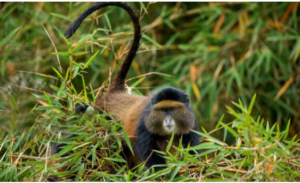
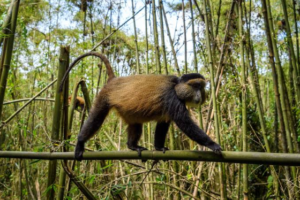
- Other primate permits, such as golden monkey trekking or chimpanzee tracking in Nyungwe, if included
- Accommodation, usually on a full-board basis
- A private vehicle with a driver-guide for transfers and drives between parks
- Airport pickup and drop-off in Kigali
- Park entry fees and ranger guides, as part of the permits
- Bottled water and meals, according to the package
Typically excluded are international flights, visas, insurance, tips, porters, drinks, and optional activities. Always check the inclusions line by line.
Who Private Tours Suit Best
Honeymooners and couples. Privacy, flexible timing, and carefully chosen lodges make private tours popular for romantic trips.
Families. A private vehicle lets you adjust the pace for children, add rest stops, and plan around naps and meals. Remember that gorilla trekking commonly requires visitors to be at least 15 years old, so check the rules for each activity.
Photographers. A dedicated guide can plan around light, positioning, and the schedule you need.
Older travelers and those with limited mobility. Private tours allow slower pacing and extra rest days, and a good operator can discuss how treks are matched to fitness and what assistance, such as porters, is available.
Small groups of friends. A private vehicle shared among four to six people can make the per-person cost reasonable while preserving flexibility.
Travelers with limited time. A private itinerary can be built to minimize wasted hours, with efficient transfers and a schedule aligned to your gorilla permit date.
How Costs Work on a Private Tour
The permit is the same whatever the style of tour, so the difference in price comes from everything else.
The gorilla permit. About $1,500 per person for foreign non-residents, reported as unchanged for 2026 and 2027.
Accommodation. Published guides report mid-range lodges at roughly $300 to $600 per night on a full-board basis, and top luxury eco-lodges at $1,200 to $3,500 or more per night. Confirm whether quoted rates are per person or per room.
Vehicle and guide. On a private tour, these costs are carried by your party alone. A couple pays a larger share per person than a group of five or six.
Trip totals. Published estimates for a seven-day mid-range Rwanda safari that includes the gorilla permit run around $3,500 to $5,500 per person, and operators commonly quote daily rates of about $600 to $1,500 or more per person before the permit. Private tours often sit at the upper part of these ranges for small parties, and luxury private tours can go far higher.
Ways to manage the cost:
- Travel with a larger private group to share the vehicle and guide.
- Choose mid-range lodges outside the busiest months.
- Keep the itinerary focused on the primates you most want to see.
- Compare itemized quotes from several licensed operators.
Planning a Private Primate Tour
Step 1: Fix Your Gorilla Permit Date
Permits are limited and can sell out, especially in the dry seasons. A good operator secures permits first and builds the rest of the itinerary around that date.
Step 2: Choose Your Primates and Length
- Gorillas only: three to four days.
- Gorillas and golden monkeys: four to five days.
- Gorillas, golden monkeys, and chimpanzees: six to eight days.
- Plus classic wildlife and culture: eight to ten days, adding Akagera National Park and cultural visits.
Step 3: Pick Your Lodging Level
Lodges near Volcanoes National Park range from comfortable mid-range properties to renowned luxury eco-lodges. Near Nyungwe, options include forest lodges and hotels with canopy and forest views. Choose according to budget and the experience you want.
Step 4: Add Rest and Flexibility
A private tour is the ideal moment to include a buffer day. Treks can be tiring, and weather can change plans, so avoid squeezing your trek into the day before an international flight.
Step 5: Consider Extras
- Golden monkey trek or a hike toward the area associated with Dian Fossey’s research
- Canopy walkway and forest walks in Nyungwe
- A cultural village visit
- Lake Kivu relaxation
- Game drives in Akagera
Sample 6-Day Private Tour
- Day 1: Arrive in Kigali, meet your driver-guide, and settle in.
- Day 2: Private transfer to Volcanoes National Park, with scenic stops along the way.
- Day 3: Gorilla trek, followed by a relaxed afternoon.
- Day 4: Golden monkey trek or a village visit, then travel toward Lake Kivu.
- Day 5: Rest and boat trip on the lake, or travel on to Nyungwe for chimpanzee tracking.
- Day 6: Return to Kigali for your flight home.
How to Choose a Private Tour Operator
- Verify licensing and reputation. Choose a licensed operator with recent, detailed reviews.
- Ask about permits. Confirm that the operator can secure your gorilla permit for your dates, and ask what happens if your date changes.
- Meet the guide. Ask about your driver-guide’s experience, training, and languages.
- Check the vehicle. It should be comfortable, clean, and reliable, with enough space and windows for everyone.
- Request an itemized quote. Confirm exactly what is and is not included.
- Ask about accessibility. If you have mobility concerns, discuss how treks are matched to fitness and what assistance is available.
- Understand payment and cancellation terms. Know deposits, balances, and refund conditions, and pay through traceable methods.
- Ask about responsible practices. Look for fair treatment of staff, support for conservation, and benefit to local communities.
Rules to Know
- Gorilla trekking commonly requires visitors to be at least 15 years old.
- Visitors must keep a safe distance from the animals.
- Anyone who is unwell may be refused entry, because primates are vulnerable to human illness.
- Masks may be required, and flash photography is prohibited.
- You will spend about one hour with the gorillas once the group is found.
Practical Tips
- Book early, especially for the dry seasons, roughly June to September and December to February.
- Check entry and health requirements. Confirm visa rules, vaccinations, malaria precautions, and any yellow fever certificate requirements for your route.
- Buy suitable insurance covering trekking and emergency evacuation.
- Hire a porter, which helps you on difficult sections and supports local income.
- Pack layers and waterproofs. Highland mornings can be cool and wet.
- Tip rangers, trackers, porters, and your guide in line with local custom.
Conclusion
A Private primate tours in Rwanda gives you the same remarkable animals as any other way of traveling, but wraps them in flexibility, comfort, and privacy. The gorilla permit and the trekking rules stay the same, while your vehicle, guide, pace, and itinerary are built around you. Private tours suit honeymooners, families, photographers, older travelers, and anyone who values control over their time. Start by fixing your permit date, choose the primates and trip length you want, build in rest, and work with a licensed operator who explains the costs clearly. Done well, a private tour turns a bucket-list encounter into a smooth, personal journey.
Key Takeaways
- A private primate tour gives you your own vehicle, guide, and schedule, but trekking groups are still limited by park rules.
- The gorilla permit, about $1,500 per person for foreign non-residents, is the same on private and group tours.
- Private tours cost more per person for small parties, because vehicle and guide costs are shared among fewer people.
- Private tours suit honeymooners, families, photographers, older travelers, and small groups.
- Fix your permit date first, then build the itinerary and add a buffer day.
- Compare itemized quotes, verify licensing, and ask about guides, vehicles, and accessibility.
- Follow the rules that protect the primates, including the minimum age and distance requirements.
Frequently Asked Questions
- What is a private primate tour in Rwanda? It is a trip arranged only for you and your companions, with a dedicated vehicle, guide, and itinerary, though gorilla trekking groups are still limited by park rules.
- Do I trek alone with the gorillas on a private tour? No. You trek with rangers and trackers in a small permitted group. What is private is your transport, guide, accommodation, and schedule.
- Is a private tour more expensive than a group tour? Usually yes per person for small parties, because vehicle and guide costs are shared among fewer people. Larger private groups reduce the per-person cost.
- How much does the gorilla permit cost? About $1,500 per person for foreign non-residents, according to reported 2026 and 2027 figures. Confirm the current price with your operator.
- How many days do I need? Three to four days for gorillas only, four to five with golden monkeys, six to eight with chimpanzees, and eight to ten with classic wildlife and culture.
- Can a private tour suit older travelers or those with limited mobility? Often yes, since pacing is flexible. Discuss fitness matching and available assistance, such as porters, with your operator before booking.
- Is there an age limit? Gorilla trekking commonly requires visitors to be at least 15 years old. Check the rules for each activity.
- When is the best time to go? The dry seasons, roughly June to September and December to February, are the most comfortable, though primates can be seen year-round.
- What is usually excluded from the price? International flights, visa, insurance, tips, porters, drinks, and optional activities.
- How do I choose a private tour operator? Verify licensing, read recent reviews, confirm they can secure your permit date, ask about guides and vehicles, request an itemized quote, and understand the payment and cancellation terms.